If you have ever dealt with a serious pest problem - termites chewing through floor joists, bed bugs spreading through a rental building, or a rodent population that seems to multiply overnight - you know that the difference between a fix and a recurring nightmare is the person holding the sprayer. I have spent enough years in the structural pest control industry to watch a lot of homeowners and property managers make the same mistake: they hire the first name they find online, and they end up paying for a second treatment from a qualified professional anyway.
That is where a reliable state pest control directory becomes more than a convenience. It is a safety net. The directory connects you directly to licensed, insured pest control operators who carry the right pesticide license for your specific problem. And because every state has its own rules about who can apply what chemical and under which conditions, a directory built around state-by-state regulation can save you money, stress, and a lot of frustration.
Why Licensing Matters More Than You Think
Every licensed pest control operator in the United States has passed exams administered by the state pesticide regulatory agency. Those exams cover pesticide chemistry, application safety, label reading, environmental protection, and Integrated Pest Management (IPM) principles. An exterminator who holds a current pesticide license has proven they understand how to match the treatment to the pest, the site, and the risk level. A handyman with a truck full of off-label products has not.
I have watched a fumigation go sideways because the applicator miscalculated the volume of the space. That mistake costs the client thousands and left the building uninhabitable for an extra day. A licensed pesticide applicator would have caught that error during the pest inspection. The same logic applies to termite treatment: drilling and treating the soil around a slab foundation is a precise job. A general handyman can make it look easy, but if the termites return in six months, you are paying for a second round of structural pest control, and you have no legal recourse because the original work was unlicensed.
A state pest control directory filters out the unlicensed operators before you ever make a call. That is the practical value. You are not just saving a search; you are protecting your property and your health.
The Difference Between a Directory and a Search Engine
A generic search engine will return results based on ad spend and SEO tricks. A local pest control company that invests heavily in paid ads might appear on the first page even if it has a history of complaints or expired certifications. A state pest control directory, on the other hand, works from verified data provided by the state pesticide regulatory agency. The companies listed there have active pest certification and meet the continuing education requirements that the state mandates. The directory does not rank by who pays the most; it ranks by who is currently licensed.
For example, if you need mosquito control for a large property, you want a pest control service that holds a category-specific certification for public health pests. A general exterminator might not carry that endorsement. The directory lets you filter by the types of services each company offers - termite treatment, bed bug extermination, rodent control, green pest control, fumigation, and so on - so you are not calling companies that cannot legally do the work you need.
How to Use a State Pest Control Directory Well
Using a directory is straightforward, but there are a few steps that turn a good find into a great one. First, confirm that the company you choose still holds an active pesticide license. Most directories update regularly, but it never hurts to check the expiration date on the license itself. Second, ask the pest control operator about their pest management plan. A professional who follows Integrated Pest Management (IPM) will focus on exclusion, sanitation, and monitoring before reaching for chemicals. That approach often costs less over time and poses lower risk to children, pets, and beneficial insects.
Third, ask whether the company offers green pest control options. Many licensed operators now carry botanical or low-toxicity products that work well for routine pest inspection and maintenance. If you are managing a food-handling facility or a school, green pest control may be required by your insurance or by local health codes.
Fourth, check whether the company belongs to the National Pest Management Association (NPMA). Membership in the NPMA signals that the business follows industry best practices beyond the bare minimum required by the state. The NPMA also provides ongoing training, which means the technicians you hire are staying current with new products and techniques.
Common Pitfalls and How to Avoid Them
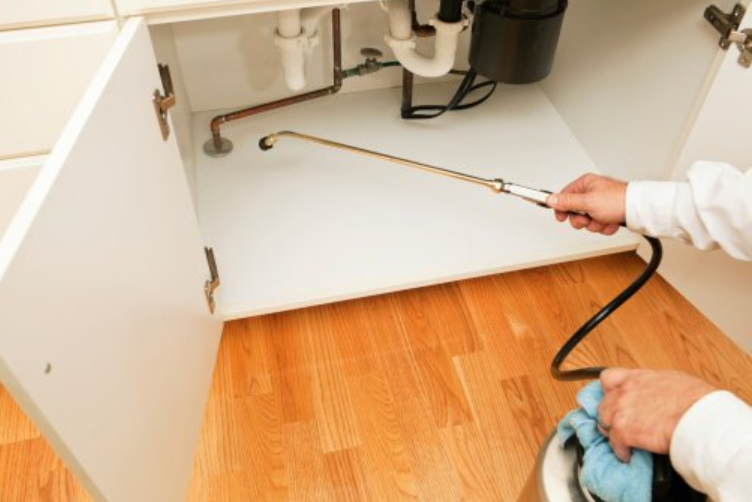
One mistake I see regularly is hiring a pest control service without a prior pest inspection. A reputable company will send a certified pesticide applicator to your property, inspect all accessible areas, identify the pest species, assess the extent of the infestation, and write a treatment plan before any chemicals are applied. If the company gives you a price over the phone without asking about the size of the building, the type of construction, or the pest history, hang up and call someone else.
Another pitfall is assuming that a national franchise automatically beats a local pest control company. National brands have standardized protocols, but a local company that has served your county for decades knows the specific pest pressures in your area. They know when termite swarm season starts, which rodents are common in your neighborhood, and what local conditions affect bed bug cycles. A state pest control directory gives you both options, so you can compare.
Finally, do not let price be the only factor. A low quote often means the company skips steps. They might dilute the product, skip the pest inspection, or fail to seal entry points. Those shortcuts cost you more in the long run, especially with termite treatment or bed bug extermination where a missed area means reinfestation within weeks.
When to Call a Professional vs. DIY
There is a place for store-bought traps and sprays. Ants, occasional spiders, and minor pantry moth issues can often be handled without a professional. But when the problem involves structural damage, health risks, or persistent infestations, it is time to call a licensed exterminator. Termites, bed bugs, rodents in the walls, and mosquito control for large properties are all jobs that benefit from a trained pest control operator who carries a valid pesticide license and follows a documented pest management plan.
If you are managing a commercial facility, a school, a hospital, or a food service business, you have additional regulatory obligations. A state pest control directory helps you find a pest control service that understands those requirements and can provide the documentation you need for health inspections and insurance audits.
The Role of the Environmental Protection Agency
The Environmental Protection Agency (EPA) registers all pesticides sold in the United States, but it does not license individual applicators. That responsibility falls to each state pesticide regulatory agency. The EPA sets the safety standards for the product label, but the state enforces how and by whom those products can be used. That is why a directory organized by state is so critical. A pesticide applicator licensed in Florida cannot legally apply the same product in Oregon without an Oregon license. The state pest control directory respects those boundaries, so you are not accidentally hiring someone who is not authorized to work in your jurisdiction.
Final Thoughts on Finding the Right Professional
Whether you need rodent control for a warehouse, termite treatment for a house you just bought, or bed bug extermination for an apartment complex, the search starts with trust. A state pest control directory gives you a verified starting list. From there, you can interview, compare, and choose the best match for your specific situation. The directory does not replace your judgment, but it does remove the guesswork about licensing and legality.
I have seen too many people pay twice for the same pest problem because they hired someone without a proper pesticide license. That is the kind of lesson you only need to learn once. Use the directory, ask the right questions, and work with a professional who treats your property the way they would treat their own.